I research Sinophone cultures and politics, and I write about people’s search for home when it’s not given. Among other things.

  • A Coastline Remade

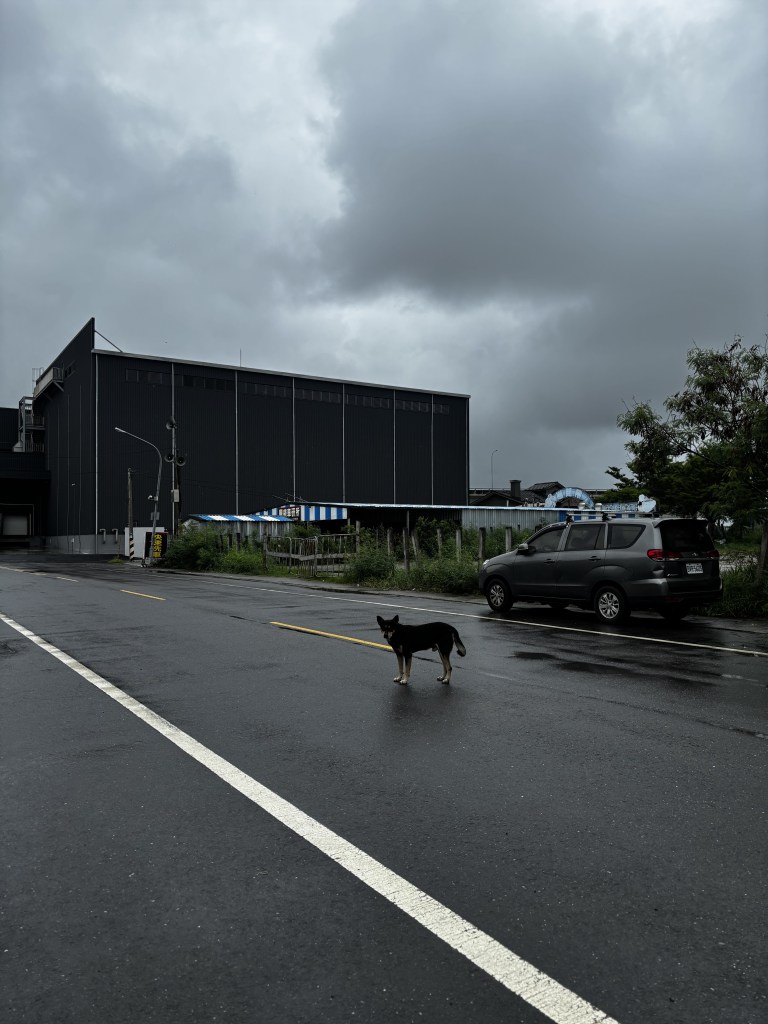
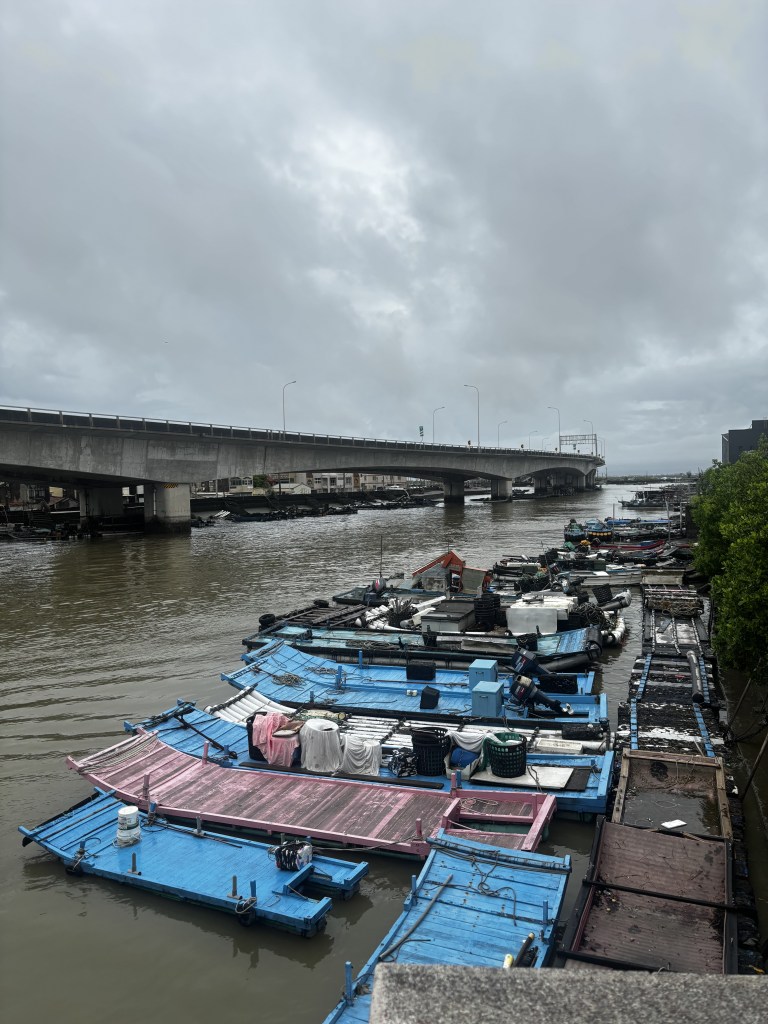
    Heavy rain during my four-day stay in Budai restricted my movements to within a 15-minute walk of my hotel, which sits on reclaimed coastal land overlooking the fishing harbour. On my short walks around the area, I met several stray dogs, though none seemed curious about my presence.
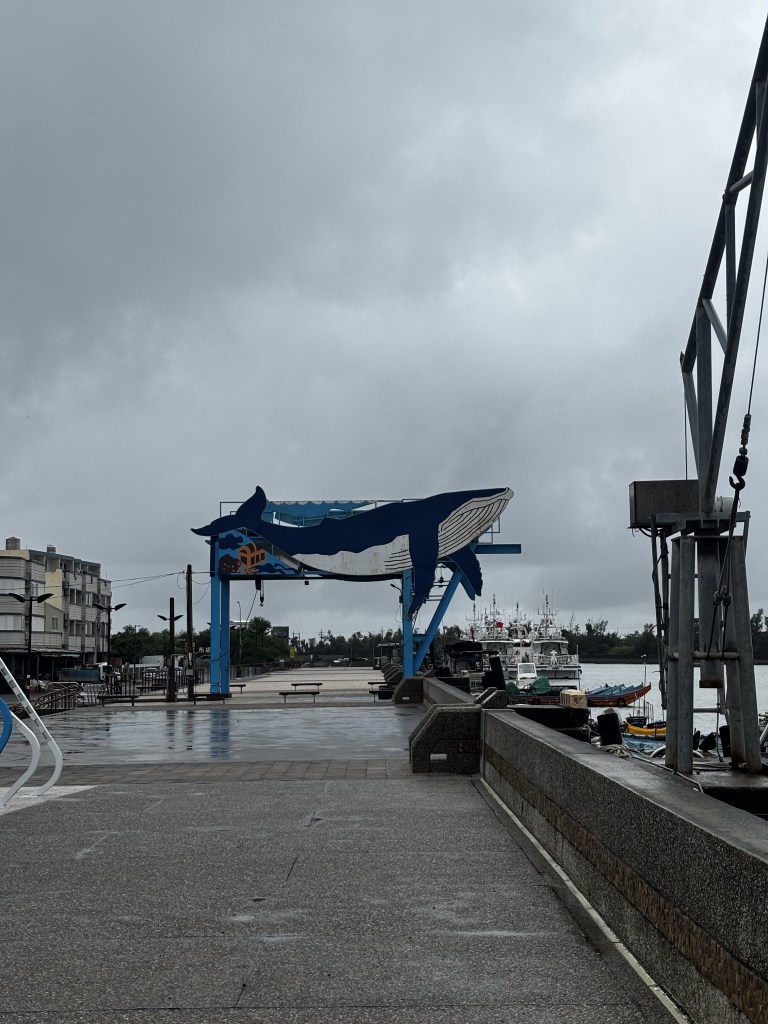
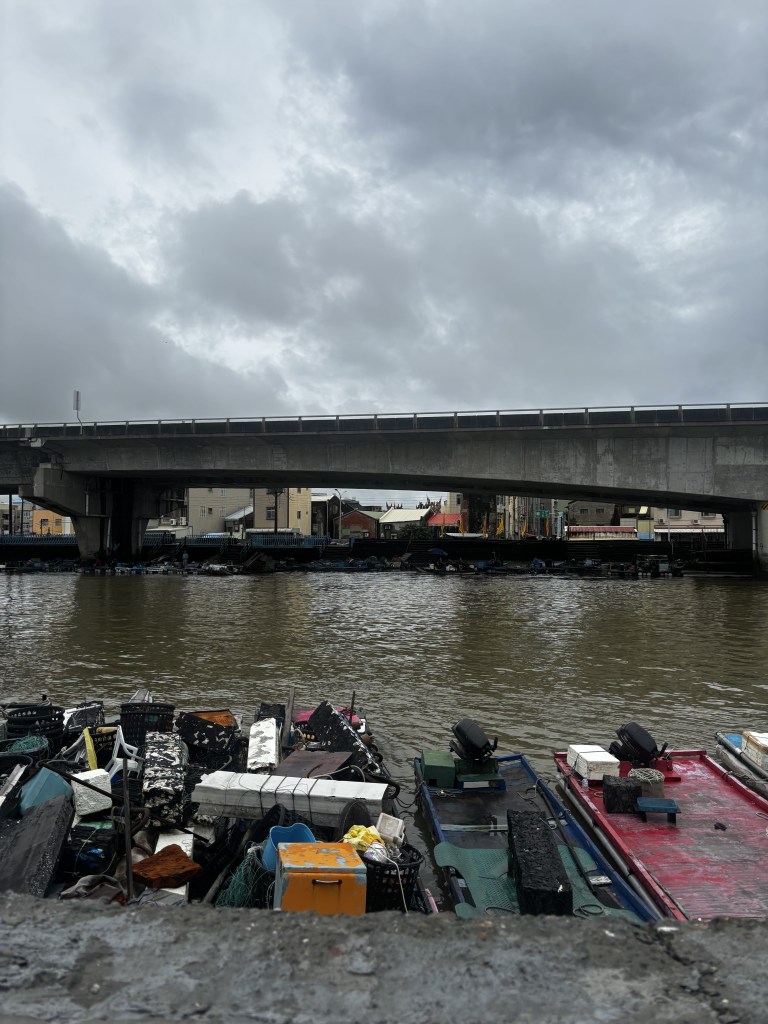
    The coastline looked very different before the reclamation. The inland waters once linked the area around present-day Budai to trade routes, as early as the C17th when the Dutch East India Company included it in its maritime network. Later, increased salt production during the Qing and Japanese eras elevated Budai’s status as a key port for exporting salt to China and Japan. It flourished briefly after WW2, before salt exports eventually shifted to Kaohsiung in 1951.
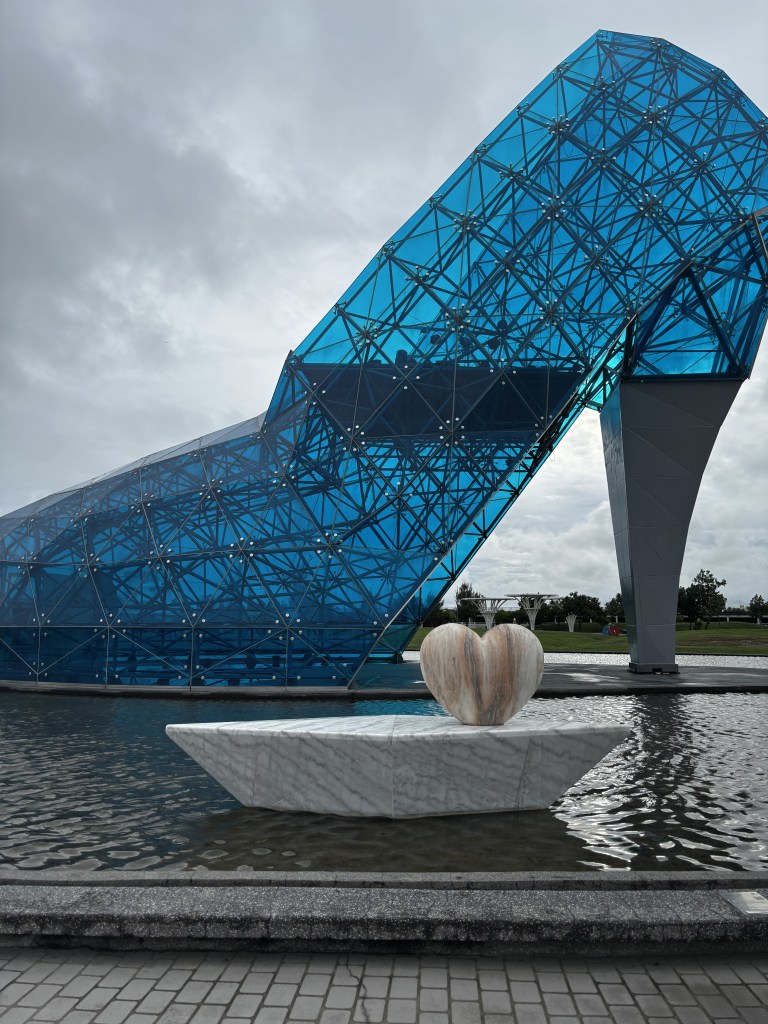
    The furthest I went was to the High-Heel Wedding Church, recognized by Guinness World Records as the “largest building shaped like a shoe.” Large-scale salt production ended in 2001, bringing to a close an industry that had organized local employment and shaped daily life for generations. Since then, parts of the township have been repurposed as, among other things, solar farms and tourist attractions. The church is part of this attempt at tourism-led regeneration. Although iconic, I found it underwhelming (the interior was empty) and unapologetically out of place.
  • Four Rainy Days in Budai

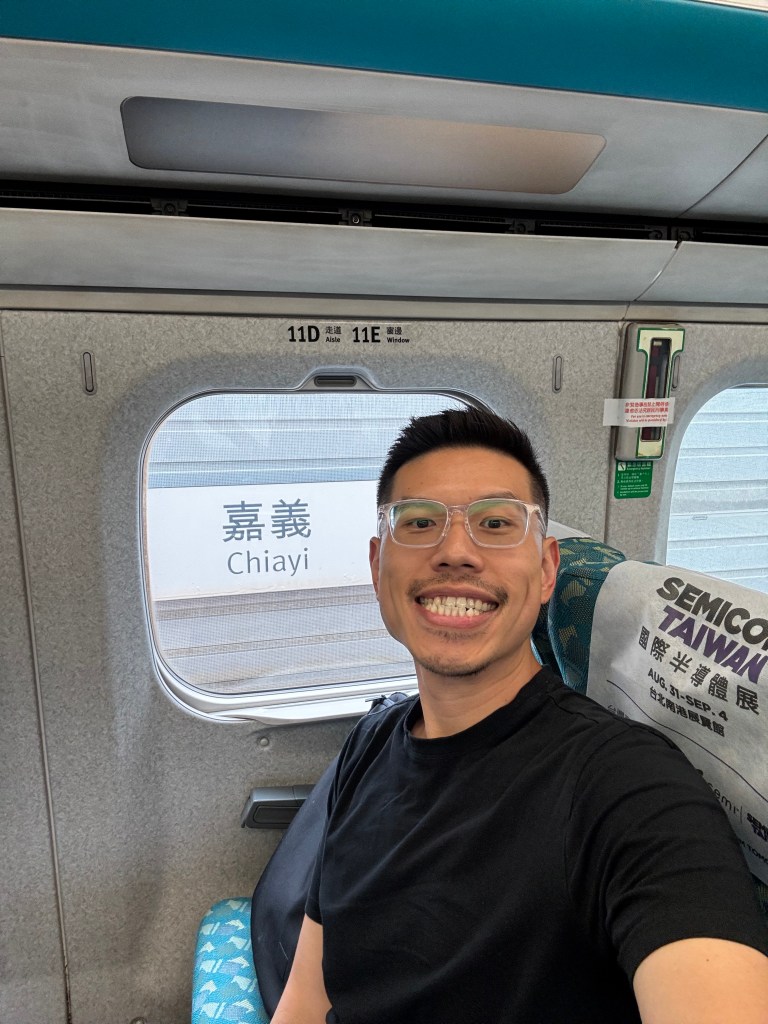
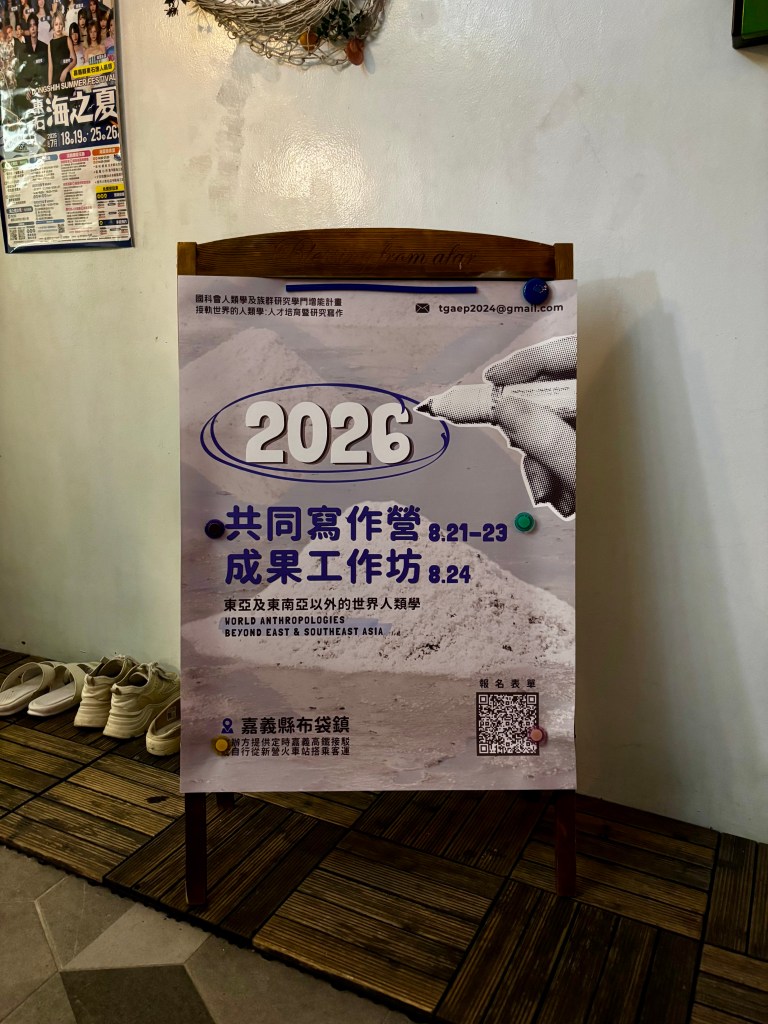
    I just spent four days with a group of Taiwan-based anthropologists in Budai, a coastal township in Chiayi County. We were there for a writing camp organized by Eric Siu-kei Cheng, a professor at National Taitung University and the president of the Taiwan Society for Anthropology and Ethnology. Like me, Eric is also from Hong Kong! I hadn’t realized until the day I arrived that each of us was expected to write a chapter for a book volume on world anthropologies. It was a surprise, though a pleasant one.

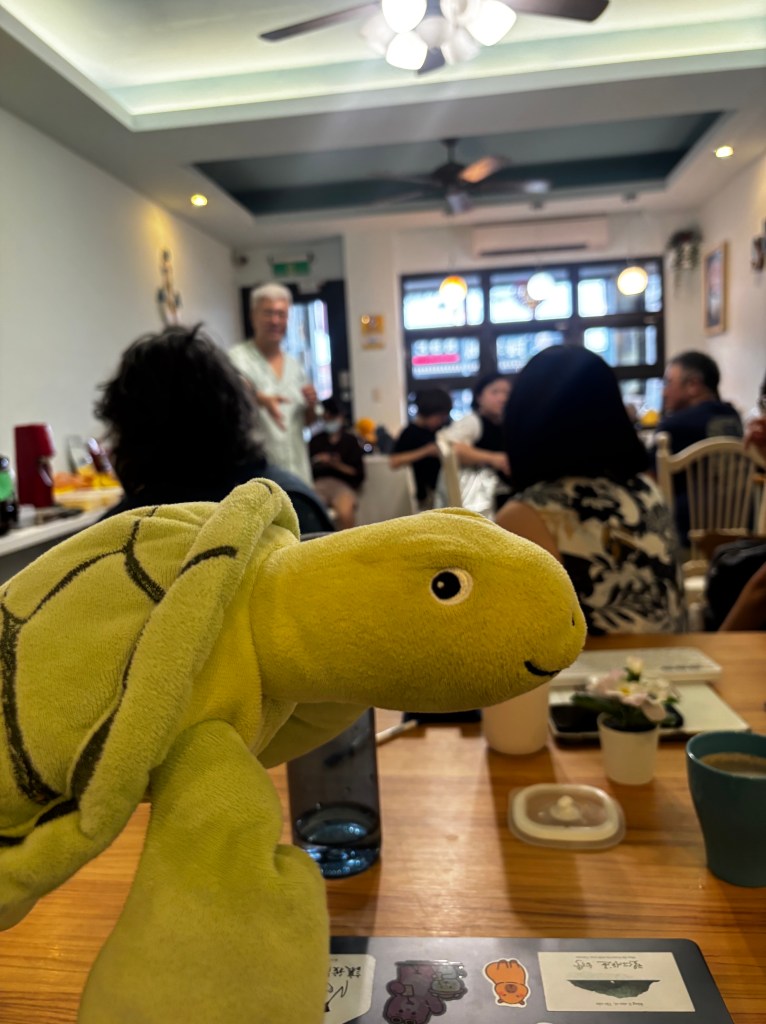
    To me, the writing camp was more than just a writing camp. I had returned to Taiwan less than a month earlier to start an academic position; I was still adjusting to an unfamiliar research culture and had yet to become part of a scholarly community. The writing camp was a great opportunity to meet other anthropologists and learn from their experiences conducting research in Taiwan and beyond.

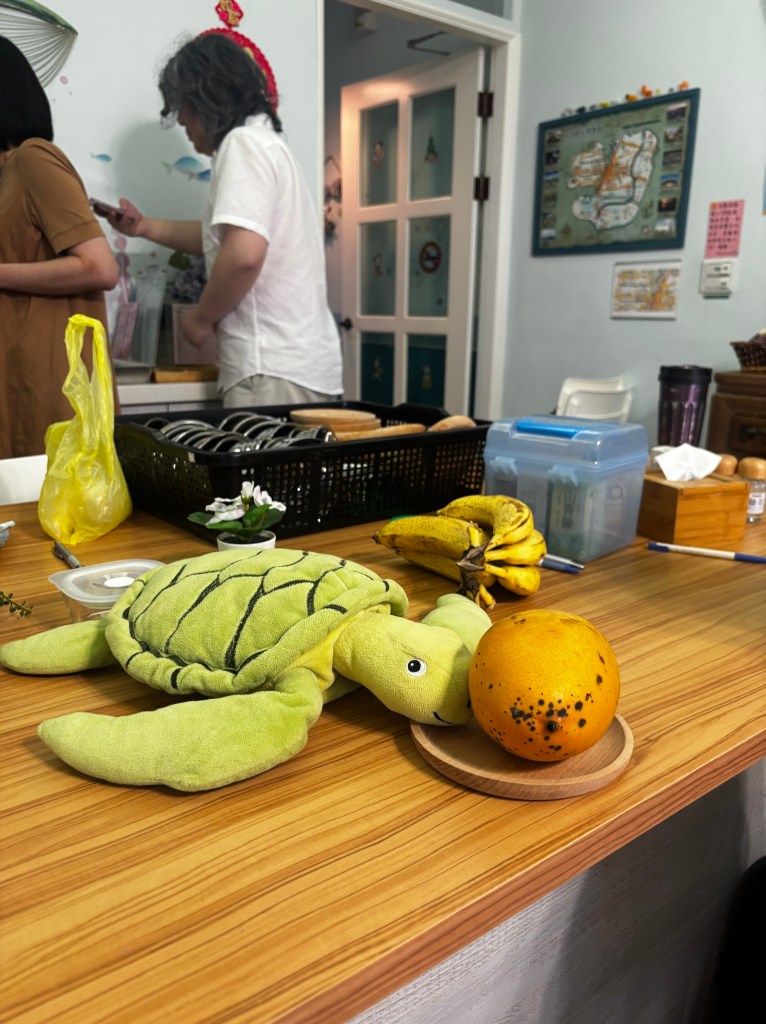
    Heavy rain flooded Budai during my stay, and I don’t remember seeing the sun on any of those days. But the cool people I met made being stuck indoors quite okay.

  • 100 Word Fiction

    A piece of my microfiction, “The Last Refusal,” has now been published in 100 Word Fiction. It will also appear in print in the magazine’s upcoming issue.